
Caregiver Wellbeing
The Carespondence Times · May 2026 · 5 min read
Practical Tips
Caregiver Wellbeing
Family Caregiving
First, it is a small adjustment.
You cancel one thing. Then another. You move work around. You reschedule plans. You stop committing to things that feel uncertain.
It does not feel like a loss in the beginning. It feels like responsibility.
But over time, your space gets smaller.
Not because you chose it that way, but because caregiving expands to fill whatever room you give it.
And it rarely asks permission first.
What I wish someone had said at the beginning
You do not have to know everything right now.
You do not have to hold it all perfectly.
You are allowed to learn as you go, even if it feels uncomfortable.
You are allowed to say, "I don't know what I'm doing," and still be the right person for this role.
Because caregiving is not built on perfection.
It is built on presence.
A few things that help in the early days
Not everything needs to be complicated.
Write things down, even the small details. It keeps your mind from carrying everything at once.
Ask questions, even if you feel like you should already know the answers.
And find one simple way to keep track of what is happening, because memory alone will not hold all of this for you.
Most importantly, do not wait for a perfect system to start supporting yourself.
Start where you are.
There will still be hard days.
Days where you feel like you are not doing enough. Days when you feel stretched thin in every direction. Days where you wonder how long you can keep going like this.
But none of that means you are doing it wrong.
It means you are in it.
There are more people living this than you can see from the outside. Most of them are doing it quietly, without language for what they are carrying. So if this feels heavy, it does not mean you are not doing it right. It means you are human in a role that asks a lot from you without always showing you where to set it down.
And you are not the only one trying to figure it out in real time.
Carespondence was built by someone who lived this. If you are looking for a simpler way to stay organized and keep your family informed, you can learn more at carespondence.com.
The third thing: your life starts shrinking without you noticing.
It does not feel like a loss in the beginning. It feels like responsibility. But over time, your space gets smaller. Not because you chose it that way, but because caregiving expands to fill whatever room you give it.
If you do a lot, you wonder if it is enough.
If you do what you can, you wonder if you should be doing more.
If you take a break, even briefly, you feel it sitting in the back of your mind.
Caregiving has a way of making you question your effort even when you are giving everything you have.
It shows up in small moments too. Sitting down for five minutes and not fully relaxing because your mind is still running through what you might be forgetting. Or going to sleep replaying the day, thinking about what you should have caught, should have done differently, should have handled faster. Even when nothing is wrong, your mind keeps circling back, looking for what might be coming.
And the hard part is that there is no clear finish line where you get to say, "Okay, I've done enough now."
It just keeps going.
The second thing: guilt shows up no matter what you do.
You are expected to know what questions to ask. What to watch for. What matters and what does not. You are expected to stay calm in situations you have never been trained in.
There is this quiet expectation that you will just figure it out.
Even if no one says it out loud, you feel it.
You are expected to know what questions to ask. What to watch for. What matters and what does not. You are expected to stay calm in situations you have never been trained in.
And when you do not know, you do not always feel like you can say that.
So you start learning in real time. Under pressure. In moments where you already feel behind.
That kind of learning stays with you.
The first thing nobody tells you: it feels like you should already know how to do this.
No one really hands you a manual for this.
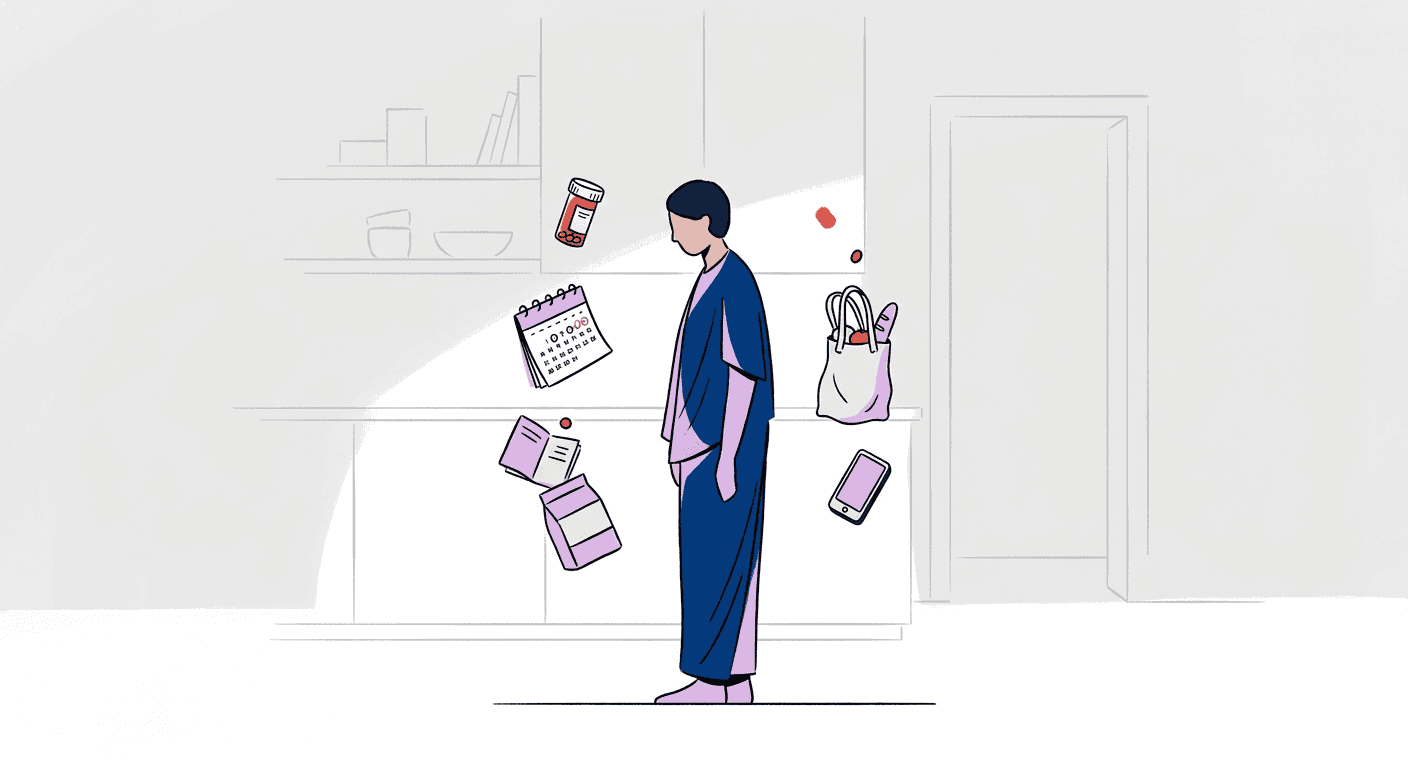
Most people do not wake up and decide they are going to become a caregiver. It happens in pieces. One appointment. One favor. One "can you just help me with this really quickly?" And then one day you look up and realize your life has quietly reorganized itself around someone else's needs—and the mental load of caregiving begins to take over.
Most people do not notice the exact moment it happens. There is no clear turning point where someone says, "Now you are the caregiver." It is quieter than that. It builds while you are still trying to keep up with your normal life. One small responsibility at a time starts sticking to you, until it becomes part of your daily rhythm without you really agreeing to it out loud. And by the time you recognize it, you are already managing things you never imagined would be yours to hold.
At first, it still feels like you are just helping.
You are still a daughter. A son. A partner. You are still trying to live your regular life in between the calls, the reminders, the errands, the check-ins.
But somewhere along the way, the line shifts.
You become the one who remembers everything.
The one who keeps track of medications, appointments, symptoms, conversations, instructions that change depending on the day, the doctor, or the situation.
And no one really pauses to tell you what that means for you.
Not just practically. Emotionally.
Because it changes you in ways that are hard to explain.
I started caregiving for my mom when I was 20 years old, becoming her family caregiver without even realizing it.
Featured Carespondent
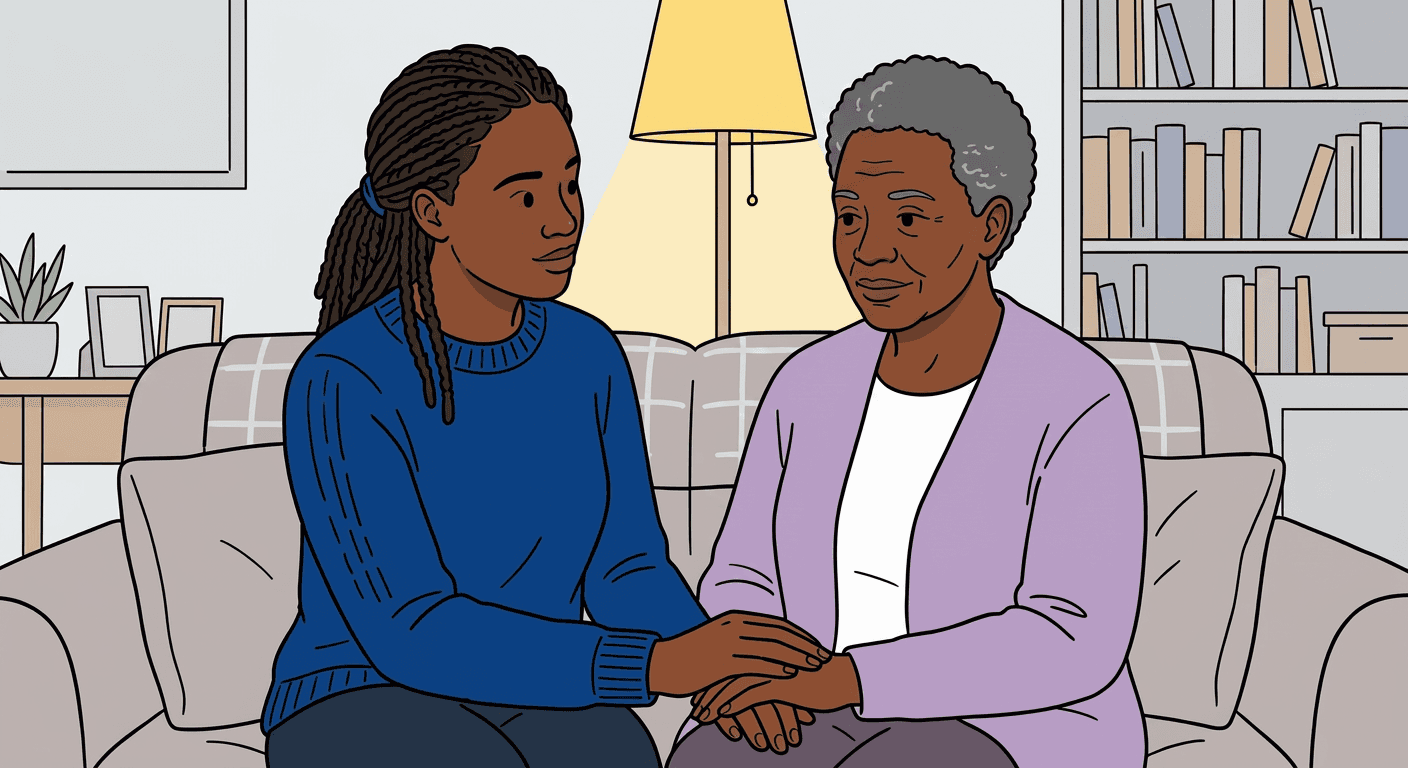
Caregiving does not usually announce itself. It builds. Quietly. One extra task at a time.
Family Caregiving