
The Carespondence Times · May 2026 · 5 min read
Caregiver Wellbeing
Family Caregiving
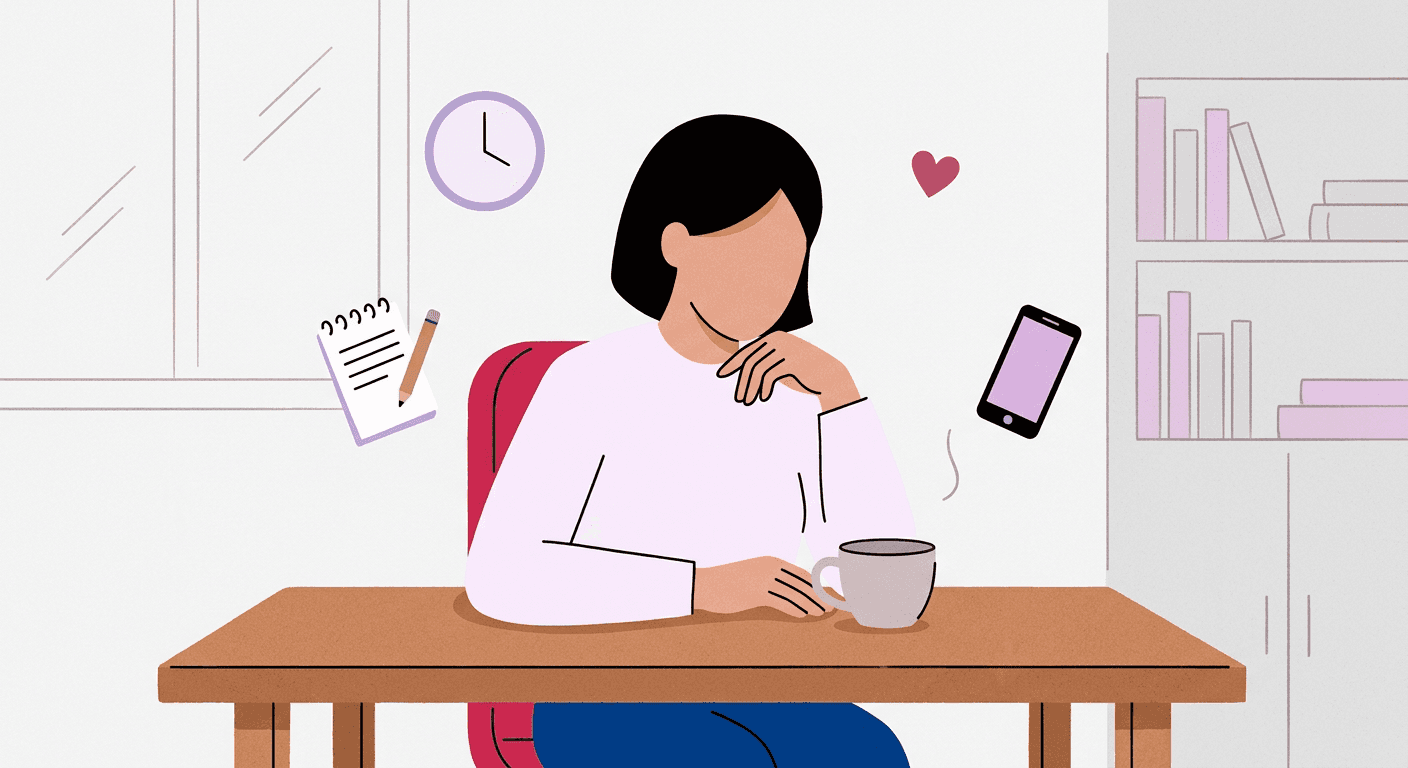
Until your life quietly starts organizing itself around someone else’s needs, and your own needs keep getting pushed to later.
And by the time you notice the pattern, you are already deep in it.
Not because you chose it all at once.
But because you kept showing up in small ways that slowly turned into something much bigger than you ever named out loud.
Recognizing that does not mean you did anything wrong.
It just means you are seeing it clearly now.
And seeing it clearly is its own form of progress. Most people do not get to that moment until they are already exhausted from it. So if you are here, reading this, putting language to something you have been carrying for a while without a name for it, that matters.
Naming it does not fix everything.
But it does something important.
It lets you stop pretending the weight is not there.
It lets you start thinking about what you need, instead of just pushing through to the next thing on the list.
You did not miss something.
You did not do anything wrong.
This is just how it happens.
For everyone who ends up here.
Carespondence was built by someone who lived this. If you are looking for a simpler way to stay organized without it becoming another job, you can learn more at carespondence.com.
It does not feel like becoming a caregiver. It feels like being a good daughter. A good son. A good partner. A responsible person.
And the thing about saying yes again is that it does not feel like a pattern while you are in it. It feels like love. It feels like doing what needs to be done.
And those are good things.
But they can quietly cost you more than you realize, until the cost becomes impossible to ignore.
Because you are not just managing tasks.
You are carrying the mental weight of all of it.
The tracking.
The worrying.
The planning ahead for things no one else is even thinking about yet.
That part is invisible to everyone around you.
But you feel it.
Every single day.
You are not just managing tasks. You are carrying the mental weight of all of it. The tracking. The worrying. The planning ahead for things no one else is even thinking about yet.
It usually does not start as caregiving, especially when you are becoming a family caregiver.
It starts small.
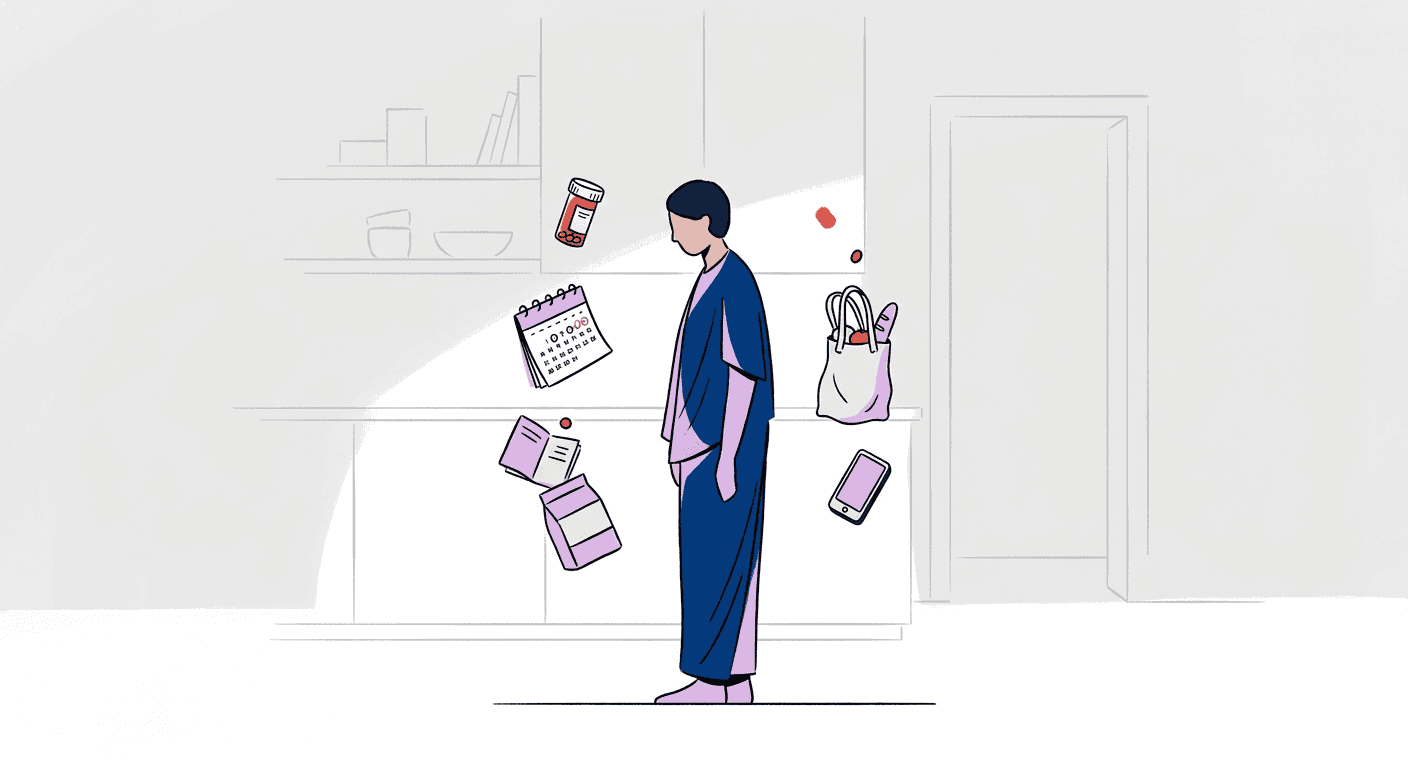
One appointment you help with because it is easier if you go along. One grocery run. One phone call to check in. One prescription pickup. Nothing that feels like a role. Nothing that feels like a title.
Just helping.
And in the moment, it never feels like more than that. It feels temporary. Like something you are just stepping into for a little while until things settle down again. You do not really label it, because nothing about it feels permanent yet. It fits into your normal life in a way that does not seem like it is going to stay or grow.
That is how it stays in your head at first. Just help.
And because it is small, you do not question it.
You do not pause to measure it either. You are not thinking about where it is going or what it is adding up to. You are just responding to what is in front of you. And because each thing feels manageable on its own, it does not register as something that is changing your role. It just feels like being dependable in the moment.
You do not stop and think this is going to become something bigger.
You just do it. Because it needs to be done.
Then it becomes a routine without you noticing.
You are the one they call first.
You are the one who “already knows what is going on.”
You are the one who can just “manage it really quickly.”
At some point, it starts to feel normal. Not like a decision you made, but like something that naturally became true about you. You do not really remember the shift, but you notice the expectation is already there. People do not always ask if you can do it anymore. They just assume you will. And because you care, you usually do.
And at first, that does not feel like a shift. It feels like trust.
It feels like love.
It feels like being there for someone.
But caregiving does not usually announce itself.
It builds.
Quietly.
One extra task at a time.
One more responsibility that does not feel big enough to say no to.
One more thing that “only takes a minute,” until your minutes are no longer really yours.
There is a moment that usually comes later.
You finally look up and realize you are not just helping anymore.
You are managing things.
You are tracking things.
You are remembering things no one else is thinking about.
And somehow, without anyone sitting you down and explaining it, you became the person holding it all together.
What makes it harder is that nothing about it changed suddenly. There was no single moment where everything shifted. It was just a slow accumulation of responsibility that felt normal while it was happening.
That is the part that sneaks up on you.
It does not feel like becoming a caregiver. It feels like being a good daughter. A good son. A good partner. A responsible person.
Until one day it becomes too much for one person, but you have already been doing it for so long that it just feels like your job now.
That is the part that is hard to explain to anyone who has not lived it. Nothing about it feels dramatic in real time. It does not feel like things are piling up while you are in it. It just feels like life moving forward, one task at a time.
And saying no gets harder the deeper you are in it.
Because each new thing does not look like a big ask on its own.
It is just another appointment.
Just another errand.
Just another quick favor.
So you say yes.
Again.
And again.
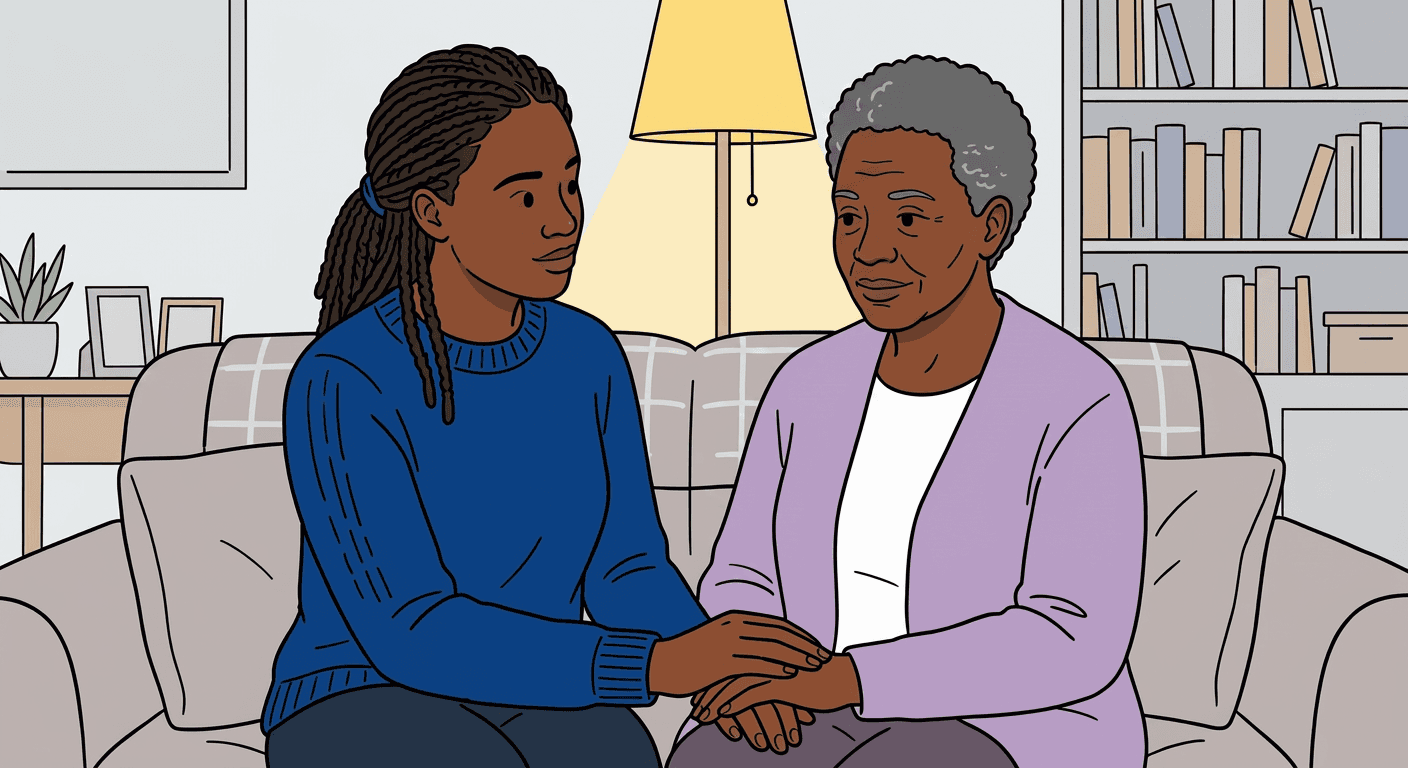
I started caregiving for my mom when I was 20 years old, becoming her family caregiver without even realizing it.
Featured Carespondent
Most people do not wake up and decide they are going to become a caregiver. It happens in pieces.
Caregiver Wellbeing